Arabica coffee price at a seven-month high: what it means for your cup
 6 min read
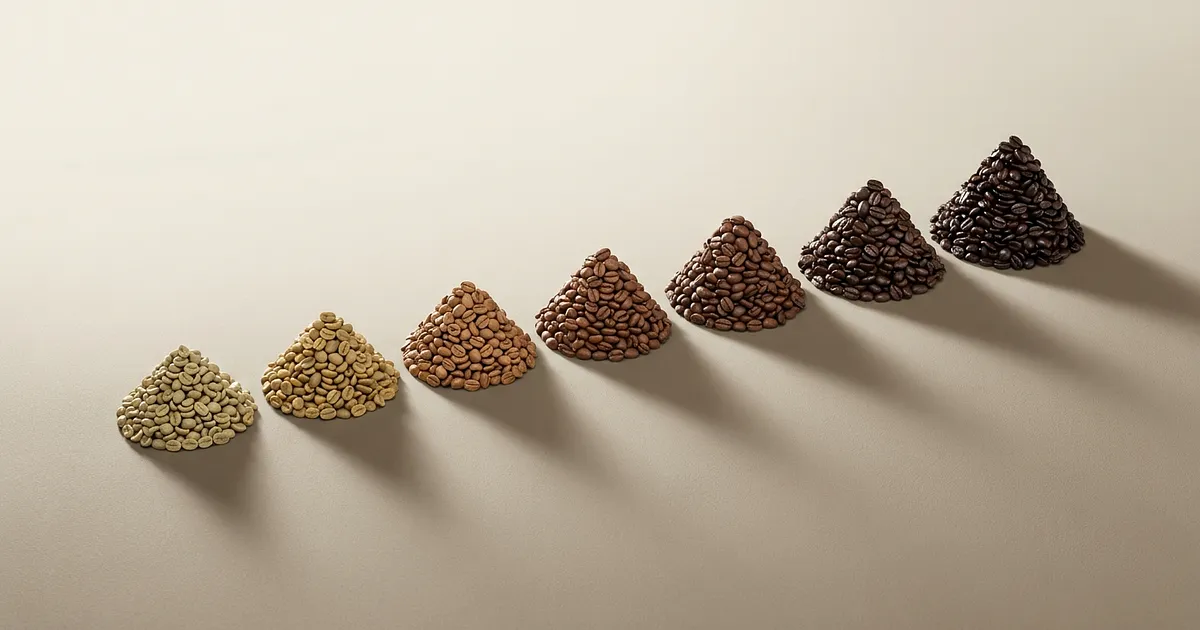
The arabica coffee price touched 363.40 US cents a pound on 18 August 2026, the front-month contract's highest since the third week of January, according to Comunicaffe. Three days later that same contract had already slipped to 358.75 cents. That was mid-August 2026 on the coffee desk: jumpy, thin on stocks, awkward for any roaster renegotiating contracts.
What pushed the arabica coffee price up in mid-August 2026
Two forces, same direction.
The first is mechanical. ICE certified arabica stocks, meaning physical coffee sitting in exchange-approved warehouses against futures delivery, fell to roughly 226,000 bags in late August 2026, the lowest in almost three years (Comunicaffe). When that number shrinks, the market pays a premium for coffee available right now.
The second is weather. Colombia's national growers' federation expects 2026 output to fall 8 to 12 percent, to 12.5 million bags from 13.7 million in 2025, blaming heavy rain and the onset of El Niño. In Vietnam, Vicofa warns the effect on the Central Highlands "must not be underestimated" (same source).
Brazil: it's the pace, not the size
Here I'd rather hedge than sound confident, because the analysts genuinely disagree.
Well corroborated: Brazil's 2026 harvest has been slow-paced, which drains warehouses. Not corroborated: how big that harvest ends up. StoneX analyst Leonardo Rossetti wrote on 17 August 2026 that "the record Brazilian harvest in 2026/27 continues to act as a cap on upside potential," and that El Niño "currently poses no major problems" for Brazilian growing areas (StoneX). Other market commentary says the opposite. Keep the distinction. A slow harvest pace squeezes stocks today even if the season's total ends up large.
Between the exchange and your shelf, there are months
The quoted price is green, unroasted coffee, bought on contracts roasters often lock in months ahead. The roaster hedges, absorbs, renegotiates. The shelf follows weeks or months later, never overnight.
The coffee price increase already shows up in the French numbers. The roasted coffee market there reached about 3.8 billion euros in 2025, up 5.7 percent in value while volume fell 1.1 percent (Into the Minds). More money, less coffee. And per UFC-Que Choisir data, supermarket prices climbed 15 to 25 percent since 2024, up to 46 percent on some lines (Le Tribunal du Net). Nobody has one official number, but the estimates all point the same way.
Levers you can pull this week
Look at the blend, not just the origin
This spike is specifically arabica. Robusta fell 4.6 percent over the week of 17 August 2026, to a six-week low (StoneX). So arabica vs robusta isn't only a taste argument. A 60/40 blend absorbs this particular move far better than a 100 percent arabica bag. Robusta adds body and crema. It adds bitterness too, so taste before you swap your usual bag for good.
Beans instead of pods
A household drinking four cups a day saves somewhere between 350 and 420 euros a year moving from capsules to whole beans (MaxiCoffee, NeozOne). That's more than this year's arabica move will cost you. We cover why bean prices stay high in another piece. A 2 kg bag like the Lavazza Café en Grains Qualità Oro Perfect Symphony, 100% Arabica, 2 x 1 kg keeps for weeks stored sealed and out of the light.
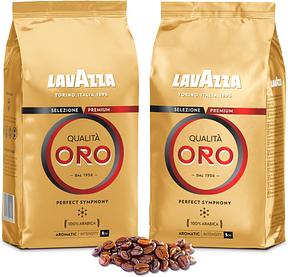
Lavazza Café en Grains Qualità Oro Perfect Symphony, 100% Arabica, 2 x 1 kg
View at AmazonAffiliate link. Buying through it earns us a commission; the price stays the same for you.
Stop binning failed shots
Three bad shots a week at an 18 g dose is nearly 3 kg of coffee in the bin over a year. The Istituto Nazionale Espresso Italiano defines the classic espresso at a 7 g dose, plus or minus 0.5 g; most roasters now suggest around 18 g for a double (GrainExpert). Weigh the dose, move the grind one step at a time.
Being straight about gear: an entry-level grinder like the Bosch Moulin à café TSM6A013B, at 15.98 euros as listed on Amazon.fr in late August 2026, will not give you a consistent espresso grind. It's a blade grinder, so particle size scatters. For filter or a moka pot it does the job. For a portafilter you need a real burr grinder.
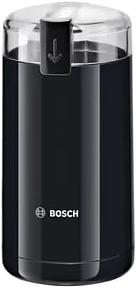
Affiliate link. Buying through it earns us a commission; the price stays the same for you.
Buy the bigger bag
Free lever, this one: go from 250 g to 1 kg. Price per kilo almost always drops, and a bag kept sealed and out of the light lasts long enough to use it up.
That mid-August peak in the arabica coffee price is one week of data, not a forecast. What lasts is the gap between the exchange and your shelf, and it buys you a few months to weigh your next dose, switch to a bigger bag, or just check what's actually in your blend before your usual roaster reprices it.
All products from this post
The ones we named above are marked; the rest are alternatives in the same category.
Affiliate notice: As an Amazon Associate, we earn from qualifying purchases. Product prices and availability are subject to change.
Frequently Asked Questions
Will the arabica coffee price keep rising?
The analysts contradict each other. Low certified stocks push upward, but StoneX argued on 17 August 2026 that a potentially record Brazilian harvest caps that upside. The contract had already eased to 358.75 cents by 21 August 2026. Treat any figure like this as a dated snapshot.
Why doesn't my bag get cheaper when the market falls?
Because the quoted price covers green coffee, bought on contracts locked months ahead. Your roaster paid an older price for the stock on the shelf and passes changes through late, in both directions. A dip on the exchange this week shows up in retail weeks or months later, if it holds.
Is an arabica robusta blend automatically worse?
No, it's different. Robusta brings body, crema and more caffeine, with sharper bitterness. Plenty of classic Italian blends contain it. In August 2026 it carries one extra advantage: it didn't follow arabica's spike.
What does a home espresso cost against a capsule?
With beans at 20 to 30 euros a kilo and a 7 g dose, a home espresso works out around 0.14 to 0.21 euros. A branded capsule runs about 0.42 euros, a compatible one about 0.25. Over four cups a day the annual gap runs into the hundreds.