Lever espresso machine: Flair, ROK or La Pavoni?
 11 min read
A machine without a pump can still have a plug, an electric heater and a pressurised boiler. That distinction catches buyers out. Under the label “lever espresso machine”, the Flair 58 Plus 2, ROK EspressoGC Classic PLUS and La Pavoni Europiccola LPLELQ01EU use three quite different systems for heating water, reading a shot and preparing milk.
Specifications and model references checked on 7 October 2026 against manufacturer pages and manuals. Novebar hasn’t run a comparative taste test of these machines.
No pump doesn’t mean no electricity
All three use your movement at a lever to drive water through coffee. The resemblance ends there.
The Flair 58 Plus 2 has a direct lever and an integrated pressure gauge. Electricity preheats its brew cylinder, while a separate kettle supplies brew water. The preheater keeps the group hot. It doesn’t boil the water.
The ROK EspressoGC Classic PLUS uses twin arms and needs no electricity in the brewer itself. You heat the water elsewhere and use it to preheat the parts around the coffee. ROK includes a regular basket, its Smartshot basket and a separate hand-operated milk frother.
The La Pavoni Europiccola LPLELQ01EU is a manual lever machine with a pressurised electric boiler. The manufacturer specifies a 0.8 L boiler, 950 W and 220 to 240 V. It heats its own water and supplies an integrated steam wand.
| Exact model | Pressure source | Water heating | Visible feedback | Milk | Extra equipment |
|---|---|---|---|---|---|
| Flair 58 Plus 2 | direct manual lever | external kettle, electric group preheat | integrated pressure gauge | no integrated steam listed | grinder, kettle, scale, separate milk solution |
| ROK EspressoGC Classic PLUS | twin manual arms, coffee-bed resistance | external hot water, manual preheat | no gauge stated on product page | bundled hand-pump frother, no steam | grinder, kettle, scale |
| La Pavoni LPLELQ01EU | manual lever, electric boiler | 0.8 L boiler, 950 W, 220 to 240 V, manufacturer figures | no brew or boiler gauge stated for this model | integrated steam wand | grinder, scale, milk pitcher |
The table explains why “manual” is a poor shortcut. ROK can sit away from a socket, but it still needs boiling water. Flair shows pressure and manages group heat, yet it needs both a kettle and electricity for preheating. La Pavoni puts more functions inside one body and adds the responsibilities of a hot, pressurised appliance.
What each design lets you control
“More control” sounds attractive until you ask what is controlled, what is measured and what remains a guess.
Flair 58 Plus 2: visible pressure, external water
Flair’s lever acts directly on the piston. The official Flair 58 Plus 2 manual gives a manufacturer target of 6 to 9 bar for 30 to 35 seconds, read on the gauge. That isn’t independent testing, and 9 bar doesn’t guarantee a good espresso. The dial simply reports pressure while you apply force.
The Flair safety guide lists three group-preheat levels at roughly 85 °C, 90 °C and 95 °C. Those are manufacturer figures for the brew head. Your kettle still determines the starting temperature of the water. This setup is specific to the 58 Plus 2 and relevant 58-series hardware, not every machine Flair makes.
A gauge gives you one extra clue. Very low pressure can point toward coarse grounds or too little puck resistance. A lever that demands unreasonable force calls for stopping and changing the preparation, not a harder pull. Reading an espresso pressure gauge helps separate weak puck resistance from excessive lever force.
ROK Classic PLUS: less hardware, less feedback
ROK removes the cable, controller and gauge. That mechanical sparseness is attractive, but it doesn’t remove coffee variables.
ROK’s official help page says resistance in the coffee bed creates pressure. It advises prewarming the portafilter with boiled water and stopping if the arms become difficult to lower. Forcing them won’t repair a grind that is too fine or a poorly prepared puck.
The included Smartshot basket offers a more forgiving route while grinder adjustment is still rough. The regular basket remains sensitive to grind, dose and distribution. That’s a useful compromise for a beginner, though the Smartshot basket doesn’t teach or replace dialling in a regular basket.
La Pavoni Europiccola: heat and steam in one machine
La Pavoni changes the routine before you touch the lever. Its boiler stores and heats water, then supplies brewing and steam. The LPLELQ01EU product page also lists 7 g and 14 g basket inserts and a three-hole, 1.2 mm steam nozzle. These are manufacturer specifications checked on 7 October 2026, not measured steam performance.
Integration removes a kettle from the brewing path and gives you actual steam. It also brings boiler heat, hot metal and residual pressure into the routine. The exact model page states no coffee-pressure or boiler-pressure gauge, so its visible feedback isn’t comparable to Flair’s.
The grinder decides whether learning makes sense
Buying the lever first and treating the grinder as an afterthought is usually false economy. With a regular basket, a small grind change can make water race through or make a lever abnormally hard to move. The espresso grind adjustment guide works best when you change one variable at a time.
Repeatable work starts with weighing dry coffee and the finished drink. Scott Rao defines espresso brew ratio as beverage weight divided by dry dose, while warning against copying one ratio blindly. Record the dose and yield, then change one thing.
A sensible starting routine keeps the coffee, dose, water and heat setting steady. Adjust the grind after watching flow, lever resistance and cup result. Flair supplies gauge data as another clue. With ROK and this La Pavoni, you rely more heavily on lever resistance, time, beverage weight and taste.
Two manual grinders, not machine purchase links
The TIMEMORE Chestnut C3s PRO - Moulin à café manuel is a TIMEMORE C3s PRO. Its manufacturer lists 36 settings from fine for espresso to coarse for French press. That describes the adjustment range, not guaranteed suitability for every basket. This is a grinder card, not a machine purchase link.
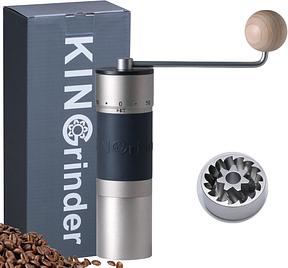
The KINGrinder K6 is a KINGrinder K6. Its manufacturer states an external adjustment of 16 microns per click across fine-to-coarse brewing methods. That is a mechanism specification, not proof of compatibility with every basket. It remains a grinder, not a Flair, ROK or La Pavoni. Retailer cards don’t establish current stock or complete-setup cost.
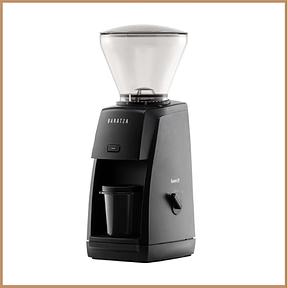
These machines have no built-in grinder. The comparison of built-in and separate espresso grinders shows what that missing component changes.
Not available in your region — closest match
Baratza Encore ESP Moulin à Café à Meules Coniques
View at Amazon (as of Aug 11)Affiliate link. Buying through it earns us a commission; the price stays the same for you.
Affiliate link. Buying through it earns us a commission; the price stays the same for you.
Heat, milk and drink volume change the answer
Mostly straight espresso
Flair is the most instrumented of the three. You can see pressure and select a group-preheat level while managing water separately. A methodical learner may welcome those controls. Someone who only wanted to pull a lever may find the scattered workflow tiresome.
ROK has fewer active parts and no socket requirement in the brewer. Simple hardware doesn’t hold temperature for you, though. Manual preheating, kettle temperature and puck preparation still sit with the user, with no gauge to confirm pressure.
Cappuccino and flat white
The bundled ROK milk frother is a hand-pump device. It aerates and froths milk, but it isn’t a steam wand. Flair 58 Plus 2 lists no integrated steam system, so both need a separate milk method.
La Pavoni has a true boiler-fed steam wand. That’s its clearest architectural advantage for milk drinks. It doesn’t guarantee good microfoam. Pitcher position, steam technique and milk temperature still matter. The method for steaming milk for microfoam covers the technique.
Several drinks in a row
The sources reviewed don’t provide an independent, comparable throughput test. Giving a drinks-per-minute figure or measured warm-up time would be guesswork.
Flair and ROK require externally heated water for each preparation and a reset of the brewing parts. La Pavoni has a boiler that the manufacturer describes as sufficient for eight espresso cups, but that capacity statement isn’t a test of temperature consistency or switching time between brewing and steaming.
What actually sits on the counter
Flair spreads the workflow across the brewer, its preheat cable, a kettle, grinder and scale. Milk adds another appliance because the 58 Plus 2 lists no integrated steam. The gauge makes pressure visible, but it doesn’t make the surrounding equipment disappear.
ROK removes the power cable from the brewer, not the need for a kettle. Its regular basket still depends on grind control, while Smartshot offers a separate, more forgiving route. The bundled hand frother works without steam. La Pavoni takes the opposite approach: its electric boiler supplies hot water and the integrated steam wand, leaving a more compact water path but adding a pressurised hot appliance to the routine.
This counter-space check is often more useful than the word “manual”. It shows where heat comes from, which tools remain separate and what must be reset before another drink.
Safety belongs to the manuals
These machines combine boiling water, hot metal and pressure. The exact manual is the right source, not a video hack or a home modification.
Flair’s guide warns against overfilling, moving the brewer while hot water is present, immersing the base and altering wiring. ROK gives a plain instruction: stop if the arms are hard to lower, then revisit grind and puck preparation rather than forcing the mechanism.
The official La Pavoni manual says never to open the boiler cap while the machine is operating or remains pressurised. Follow the manufacturer’s shutdown instructions, wait for residual pressure before removing the portafilter and use authorised repair channels. This guide deliberately provides no boiler-opening, bypass, rewiring or modification instructions.
Which lever espresso machine should a beginner choose?
Choose the Flair 58 Plus 2 if the gauge and group-temperature options help you learn, you already accept using a good kettle and milk is secondary. Its strength is visible feedback. Its weakness is a fragmented setup with brewer, preheat power, kettle, grinder, scale and perhaps separate milk equipment.
The ROK EspressoGC Classic PLUS fits when a non-electric brewer body genuinely matters. It still depends on a kettle, and the absence of a stated gauge means you diagnose through resistance, flow and cup weight. Smartshot can soften the first steps without replacing regular-basket technique.
Pick the La Pavoni Europiccola LPLELQ01EU if an integrated boiler and steam wand justify a stricter routine and more safety responsibility. It isn’t better because it heats its own water. It simply puts hot water, manual extraction and steam into one traditional appliance.
If you want a button, an electric pump and a shorter path to two morning coffees, electric manual espresso machines are the different category to compare. A lever is a preference, not a compulsory stage in learning espresso.
All products from this post
The ones we named above are marked; the rest are alternatives in the same category.
Not available in your region — closest match
Baratza Encore ESP Moulin à Café à Meules Coniques
View at Amazon (as of Aug 11)
Affiliate notice: As an Amazon Associate, we earn from qualifying purchases. Product prices and availability are subject to change.
Frequently Asked Questions
Which lever espresso machine is best for a beginner?
Flair 58 Plus 2 suits a learner who wants pressure feedback and controlled group preheat. ROK favours non-electric mechanics, external hot water and no stated gauge. La Pavoni adds a boiler and steam wand, along with stricter heat and pressure handling. The right choice depends on which workflow you’re willing to learn.
Can a lever machine produce 9 bar without a pump?
Yes, lever force and coffee-bed resistance can create espresso-range pressure. That doesn’t guarantee exactly 9 bar or a good cup. Flair gives a manufacturer target of 6 to 9 bar on its gauge. ROK depends on applied force and puck resistance. The specified La Pavoni page provides no brew-pressure figure.
Does Flair or ROK need less equipment?
Both need hot water, a suitable grinder and ideally a scale. Flair adds electric group preheat and a gauge. ROK uses no electricity in the brewer and includes a hand frother, but its components are preheated with water boiled elsewhere.
Can Flair or ROK make cappuccino?
Yes, with separate milk equipment. Flair 58 Plus 2 has no listed integrated steam. ROK includes a manual pump frother, not a steam wand. La Pavoni LPLELQ01EU has a boiler-fed steam wand.
Do I need a separate espresso grinder?
Yes, if you want to dial in a regular basket properly. A pressurised or Smartshot basket can tolerate rougher adjustment, but it can’t remove the effects of coffee age, dose and grind. None of these three machines has a built-in grinder.
Sources
- Flair 58 Plus 2 flairespresso.com
- ROK EspressoGC Classic PLUS rok.coffee
- La Pavoni Europiccola LPLELQ01EU de.lapavoni.com
- official Flair 58 Plus 2 manual cdn.shopify.com
- Flair safety guide cdn.shopify.com
- official help page rok.coffee
- defines espresso brew ratio scottrao.com
- ROK milk frother rok.coffee
- official La Pavoni manual de.lapavoni.com